Learning even the basics of Balinese culture will help you make sense of the many things you experience during your stay. To put it simply, this greatly improves the quality of your island experience.
Of course, the more we know about a destination and its people when we travel, the better we can comprehend what is going on all around us and therefore appreciate on a deeper level what we experience. The world around you will become clearer, and you’ll gain a deeper appreciation for it. You can experience Bali’s culture from the Stone Age to the modern era in just a few days.
It’s in everything: the air you breathe, the sea, the mountains, the villages, the people, the art, the architecture, and even the way locals greet you with a smile. The Balinese way of life and the power of nature will make this abundantly clear to you.
Explore local crafts: paintings, wood carvings, mask maker and jewelry
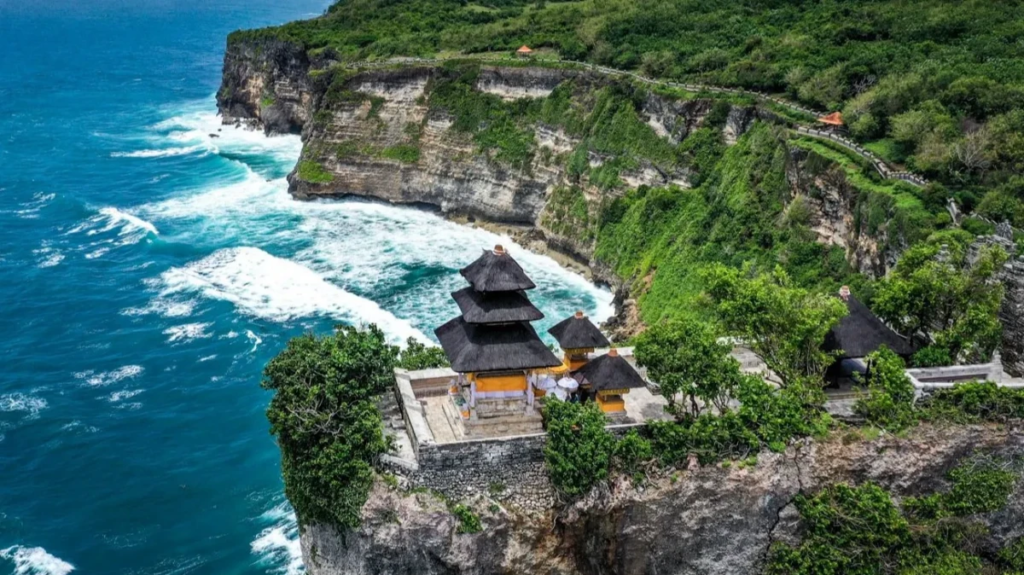
Balinese culture is a unique and vibrant culture found on the island of Bali in Indonesia. It is influenced by a combination of Hinduism, Buddhism, and animism. Furthermore, it’s characterized by a strong sense of community and the importance of art and rituals in daily life. The majority of Balinese temples feature colourful, vibrant architecture with intricate carvings, ornate statues, and intricate designs.
One of the most famous temples on the island is the Uluwatu Temple, situated on a cliff top with a spectacular view of the Indian Ocean. A group of men dressed in monkey costumes typically performs the famous ‘Kecak’ dance at the temple. People say the Kecak Dance performance possesses magical powers that can summon rain during hot weather periods.
When visiting a sacred temple in Bali, it is important to show respect for the local customs and traditions. This may include wearing modest clothing, removing your shoes before entering, and following the temple’s rules and guidelines. It is also important to remember to treat a temple as a place of worship, expecting visitors to act respectfully and reverently.
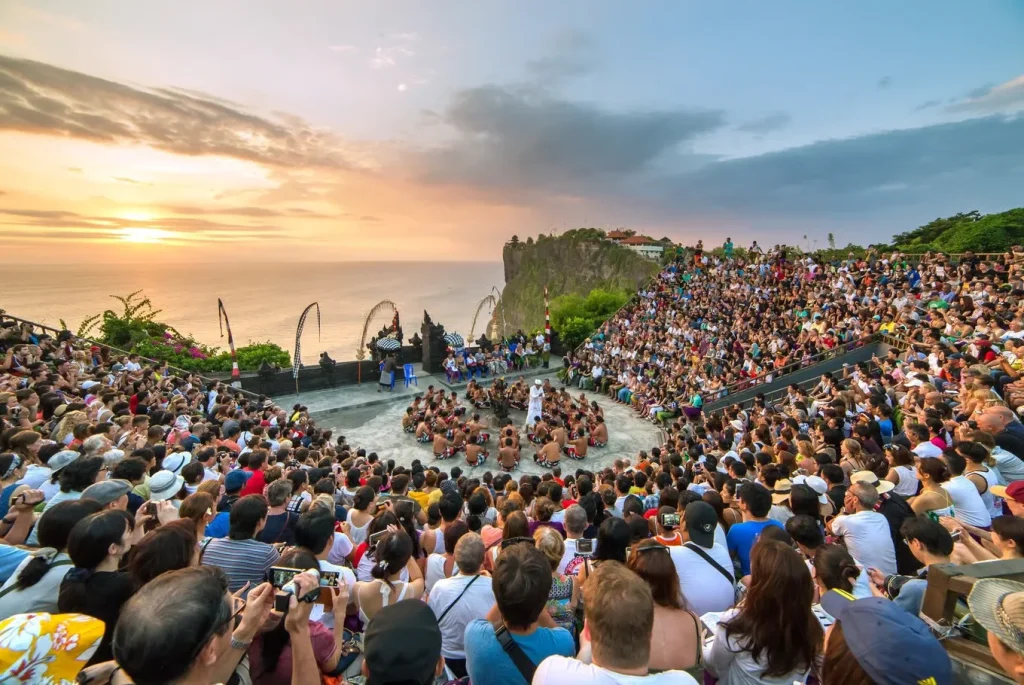
Watching traditional dance is a great way to learn about and experience the rich cultural traditions of Bali. Balinese culture is known for its vibrant and expressive dance forms, which are an integral part of daily life on the island. Balinese people typically perform traditional Balinese dance at religious ceremonies, festivals, and other special events as a significant way to honor their gods and ancestors.These dance performances often feature intricate and elaborate costumes, intricate hand and body movements, and live music played on traditional instruments such as gamelan orchestras.
There are many different styles of traditional Balinese dance, each with its unique characteristics and meanings. Some of the most popular and well-known styles include the Legong, a graceful and elegant dance performed by young girls; the Barong, a dramatic dance that tells the story of good versus evil; and the Balinese Kecak Dance, a rhythmic and energetic dance that is often performed to the accompaniment of a large choir of male singers.
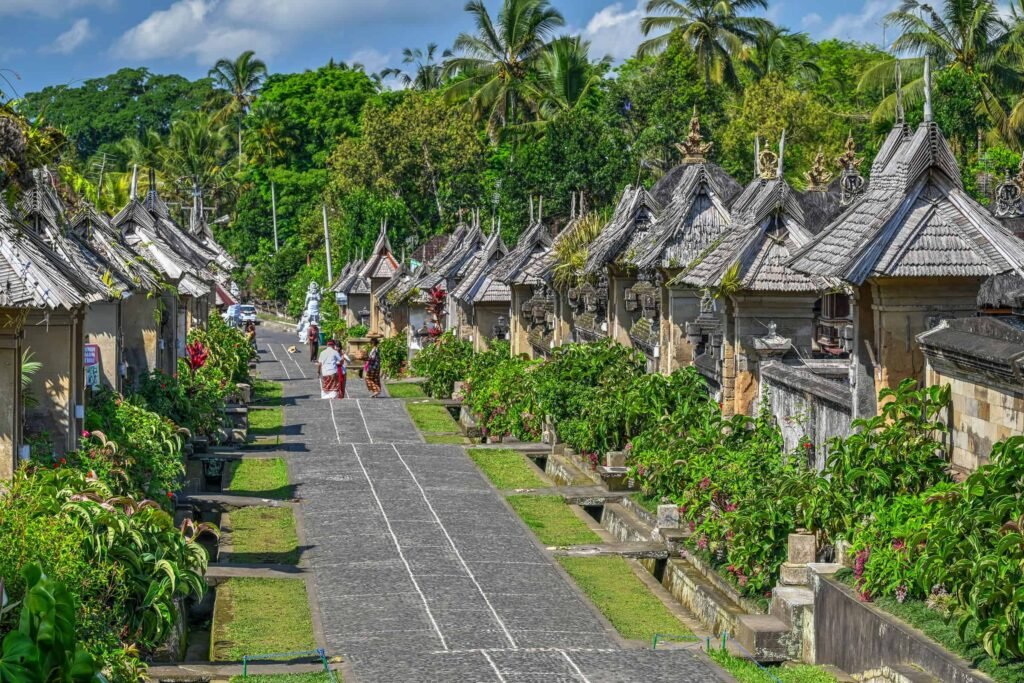
One of the most authentic ways to experience Balinese culture is by visiting a local village. Penglipuran Village is a traditional Balinese village situated in the Bangli regency. One of the main attractions of the Penglipuran Village is its beautiful and meticulously maintained traditional houses. Almost all the houses are built in the distinctive Balinese architectural style.
As you wander through the village, you will get a real feel for traditional Balinese life. The architecture is typical of villages across Bali, and the villagers are friendly and welcoming. There is a range of activities and tours available at the Penglipuran Village, including cooking and weaving classes. The village is a great place to discover more about Balinese culture, and it is the perfect way to interact with the Balinese people.
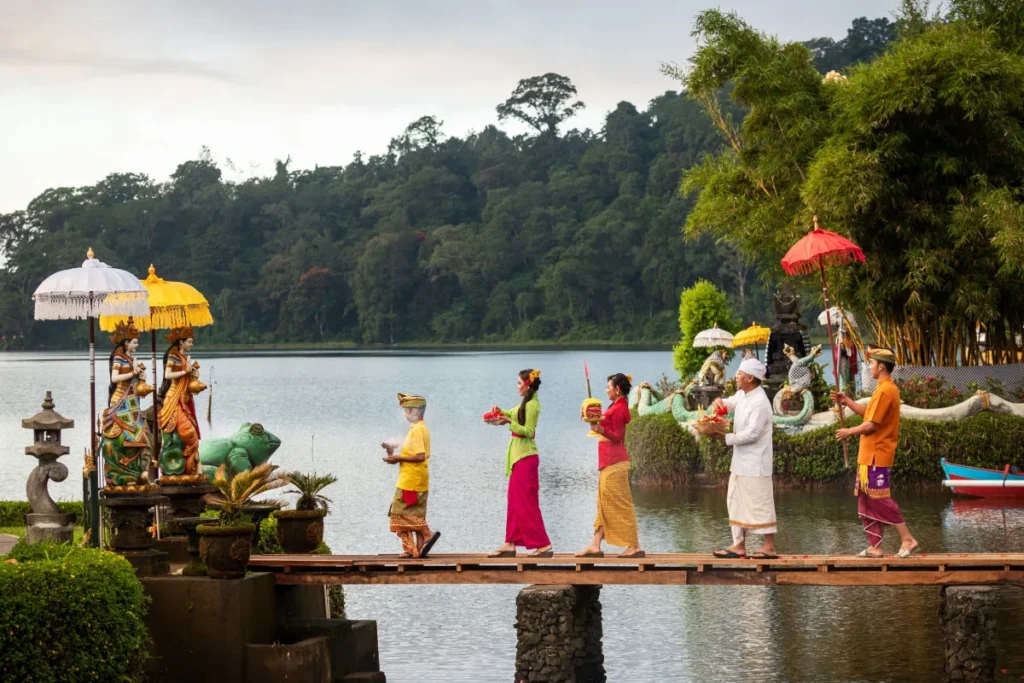
Ceremonies are an important part of Balinese culture and are an integral part of daily life on the island. If you wish to discover and experience Balinese ceremonies, several methods are available for you to explore. One option is to ask your hotel staff for recommendations on local ceremonies or festivals that may be happening during your visit. They may be able to provide information on the dates, locations, and details of these events.
Additionally, you can inquire with the local community about any ceremonies that may be taking place during your visit. Balinese people are welcoming and happy to share their culture with tourists. They may be able to inform you about cultural events and ceremonies that are not widely advertised to tourists. Participating in these events is a great way to experience the island’s rich and vibrant culture. Furthermore, it can provide a unique and memorable cultural experience.
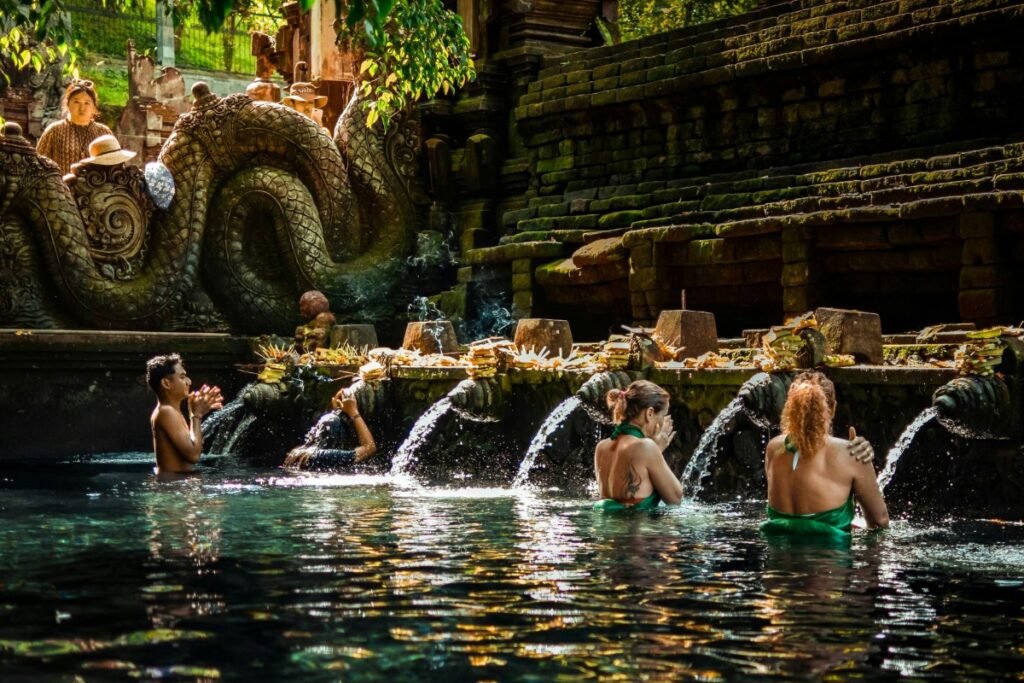
The Tirta Empul temple, also called the “Water Temple,” is situated in Tampaksiring, a village in central Bali. This Hindu temple is famous for its sacred spring, legendary for its healing properties and use in purification rituals. In Balinese culture, purification rituals are an integral part of everyday life. It is believed to rid the body and soul of negative energies. The Tirta Empul temple is one of the most significant and well-known purification sites in Bali. It attracts thousands of visitors each year who wish to purify their inner selves and seek blessings from the gods.
At the Tirta Empul temple, visitors can engage in purification rituals by immersing themselves in the holy spring. Several fountains supply the spring, each believed to embody distinct energies and benefits. To perform the ritual, people generally submerge their heads and bodies three times under each fountain, beginning with the head. It is crucial to follow the temple’s rules and be respectful when participating in a purification ritual at the temple
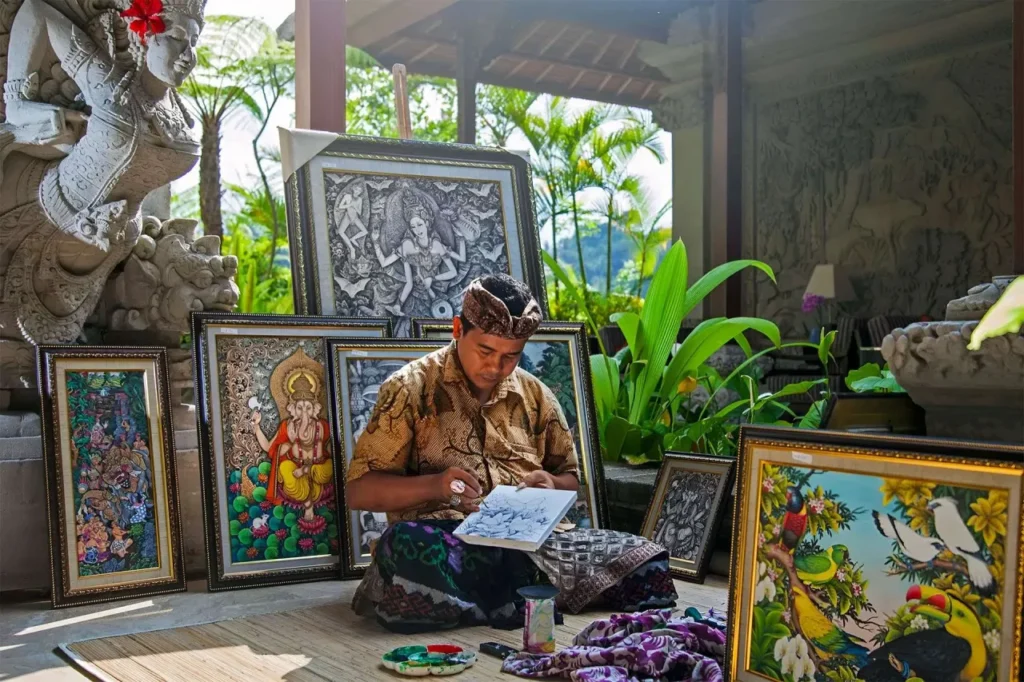
Where better to build your understanding of a culture than a museum? Bali is filled with a fabulous diversity of museums that each share a different part of the island’s cultural heritage, whether it’s historical museums or those focused on the arts and crafts, or indeed destinations dedicated to specific cultural subjects. Bali curated list aims to provide context to the top museums in Bali, sharing what visitors can expect to see and learn at each destination
Each local community has a different religious ceremony or local festival based on its own community calendar
There is no special dress to blend with the local events, but you are welcome to have the same ceremony or festival dresses
Yes, you can. You can do what everyone else does, along with ceremonial things
Everyone at the event will be your guide. They will let you blend and guide you for every single ritual and show you how to do